Sagging Floor Repair in Wilmington, NC
Sagging floor repair services address issues where the flooring in a home or building begins to dip or become uneven, often caused by structural problems such as weakened joists, deteriorated supports, or foundation settling. These repairs typically involve strengthening or replacing compromised framing, installing new supports, or leveling the subfloor to restore stability and safety. Projects may range from fixing isolated sections of a floor to comprehensive repairs across entire levels, depending on the extent of the damage.
Homeowners considering sagging floor repair should understand the importance of identifying the underlying cause to ensure a lasting solution. Before requesting services, property owners often want to know about the scope of work involved, the types of materials used, and how the repair process might impact daily living during the project. Clarifying these details helps in planning and ensuring the repaired floor maintains its integrity over time.
Many property owners in Wilmington, NC look into Sagging Floor Repair for repairs, replacements, upgrades, and appearance-related improvements.
Signs Of A Sagging Floor
Uneven surfaces, creaking sounds, and visible dips indicate potential floor sagging issues.
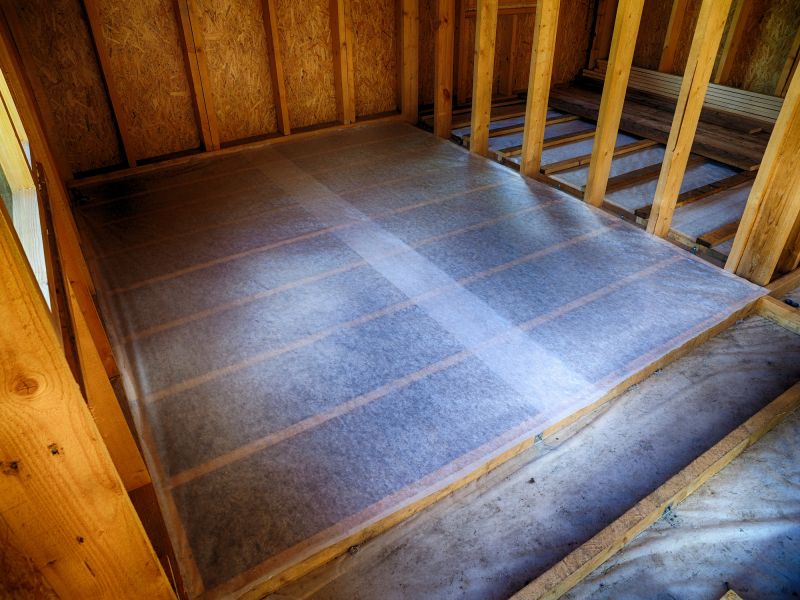
Common Causes Of Floor Sagging
Structural wear, moisture damage, and foundation settling are typical reasons for floors to sag over time.
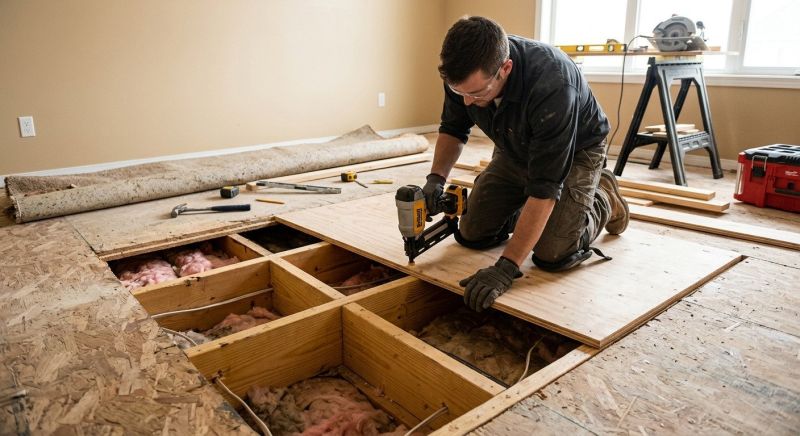
Repair Options For Sagging Floors
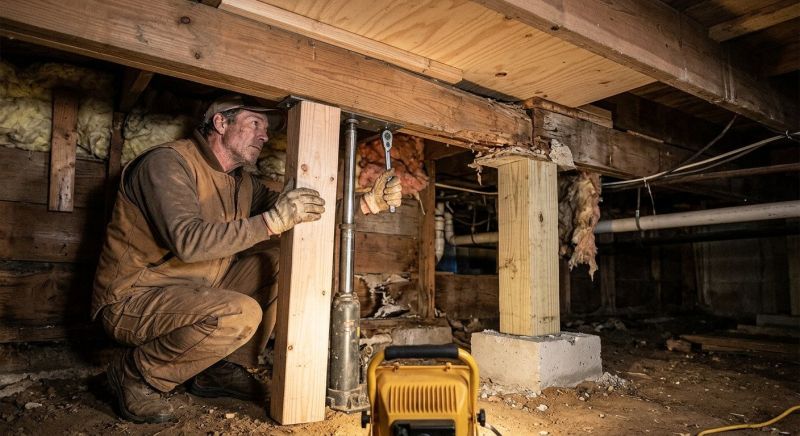
Restoration may involve reinforcement, jacking, or replacing damaged joists to restore stability and safety.
Sagging Floor Repair in Wilmington, NC
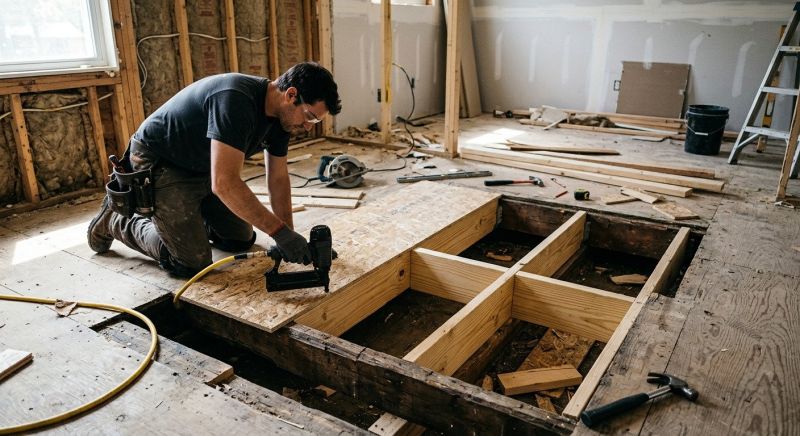
Sagging floor repair services address issues where the flooring in a home or building begins to dip or become uneven, often caused by structural problems such as weakened joists, deteriorated supports, or foundation settling. These repairs typically involve strengthening or replacing compromised framing, installing new supports, or leveling the subfloor to restore stability and safety. Projects may range from fixing isolated sections of a floor to comprehensive repairs across entire levels, depending on the extent of the damage.
Homeowners considering sagging floor repair should understand the importance of identifying the underlying cause to ensure a lasting solution. Before requesting services, property owners often want to know about the scope of work involved, the types of materials used, and how the repair process might impact daily living during the project. Clarifying these details helps in planning and ensuring the repaired floor maintains its integrity over time.
Many property owners in Wilmington, NC look into Sagging Floor Repair for repairs, replacements, upgrades, and appearance-related improvements.
Common Sagging Floor Repair Jobs
Floor leveling - restoring a flat, even surface to prevent further damage.
Subfloor reinforcement - strengthening weakened subfloors to support flooring and furniture.
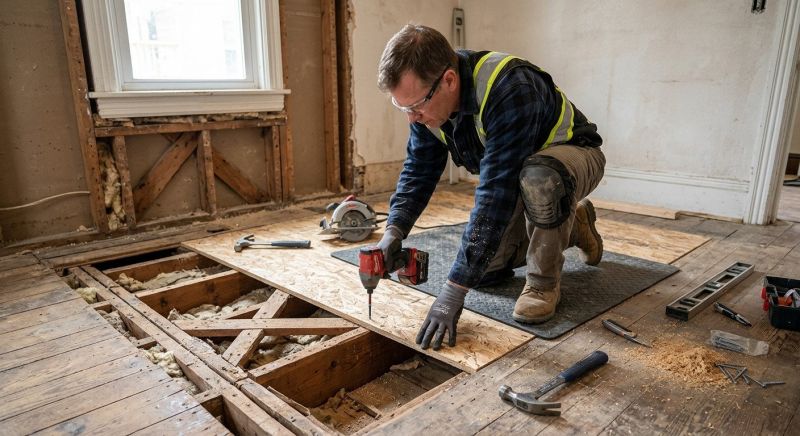
Joist repair - replacing or stabilizing compromised floor joists for safety and stability.
Foundation assessment - identifying underlying issues causing uneven or sagging floors.
Sistering joists - adding additional support to existing joists to correct sagging areas.
Floor jacking - lifting and leveling sunken or uneven flooring for a smooth, safe surface.
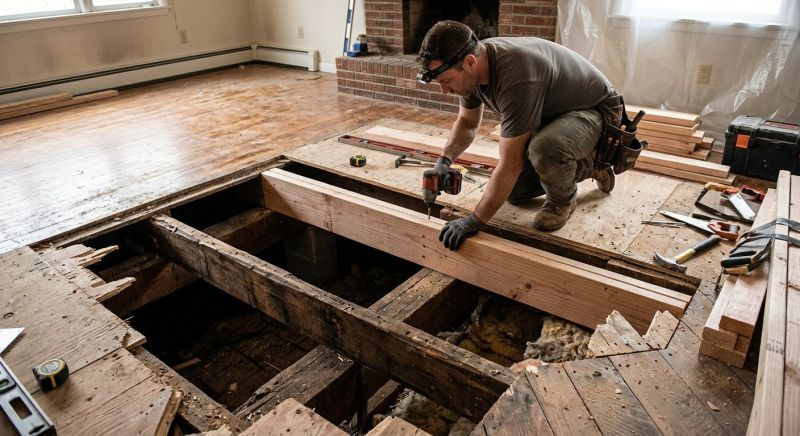
Sagging Floor Repair Questions
What causes a floor to sag? Sagging floors often result from weakened or damaged joists, foundation settling, or moisture issues affecting the support structure.
How can sagging floors be fixed? Repairs typically involve reinforcing or replacing the affected joists, installing support beams, or addressing underlying foundation problems.
Is it necessary to remove flooring during repair? It depends on the extent of the repair; some projects may require removing flooring, while others can be done with minimal disruption.
What signs indicate a sagging floor? Visible dips, uneven surfaces, creaking sounds, or gaps between walls and flooring are common indicators of a sagging floor.
Request Sagging Floor Repair in Wilmington, NC
Use the quote form on this page to share the basics of your project and request more information for the type of work you need.